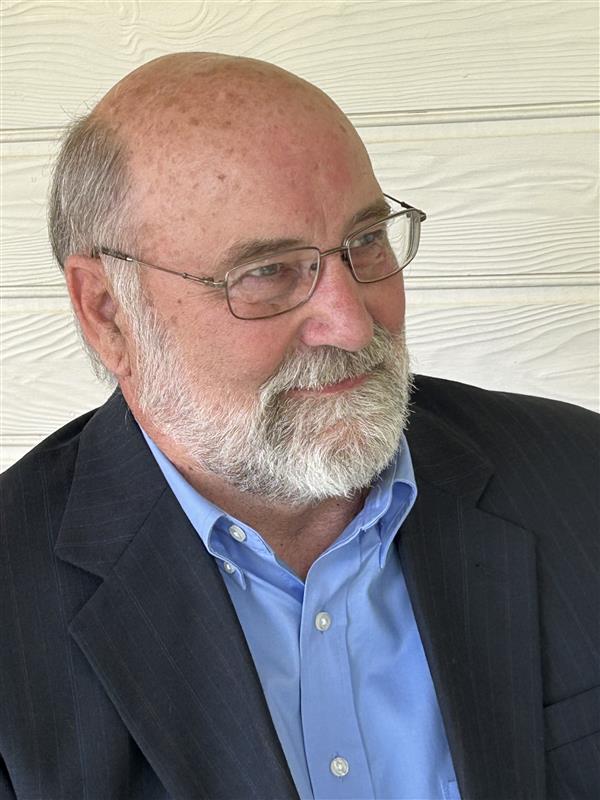
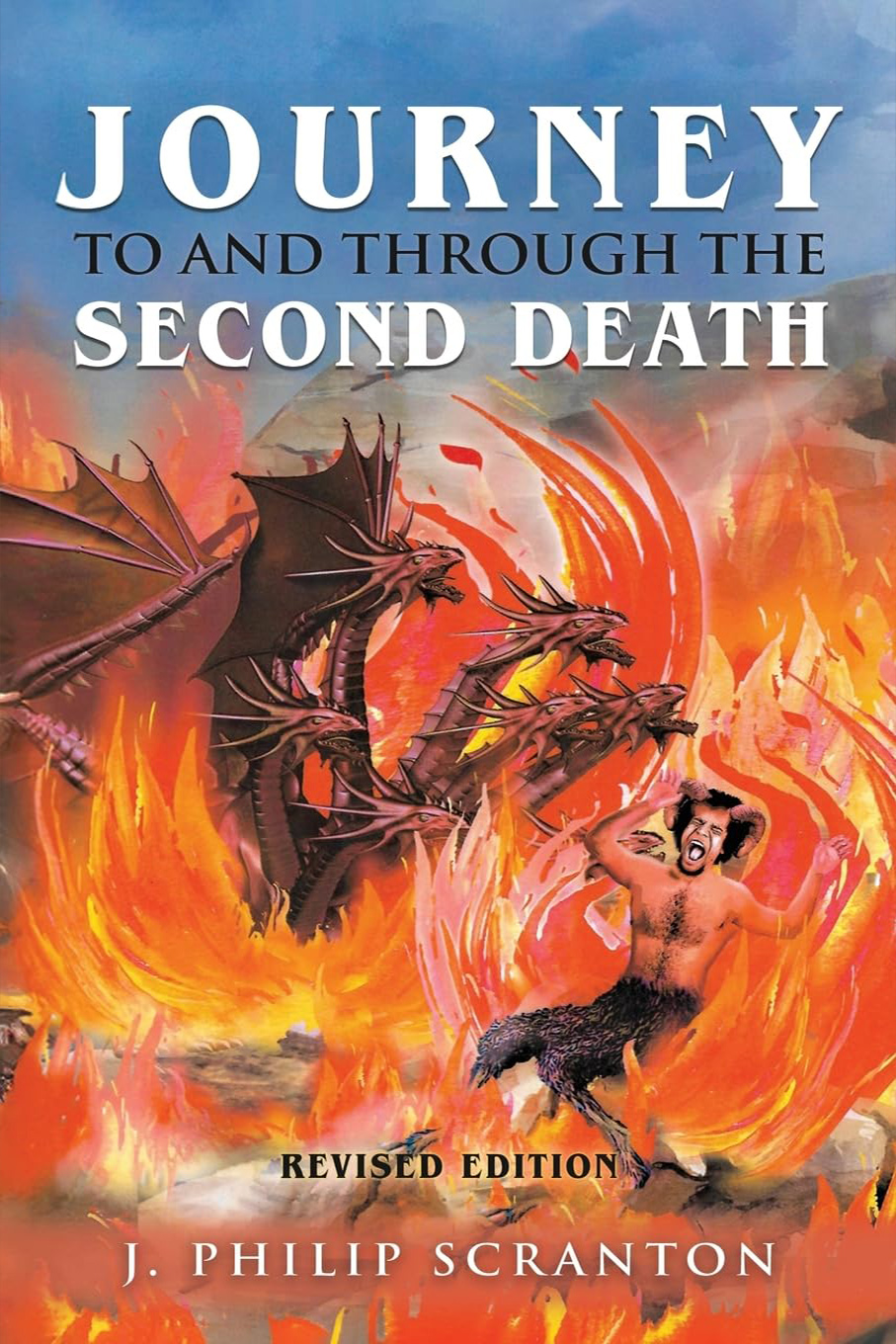
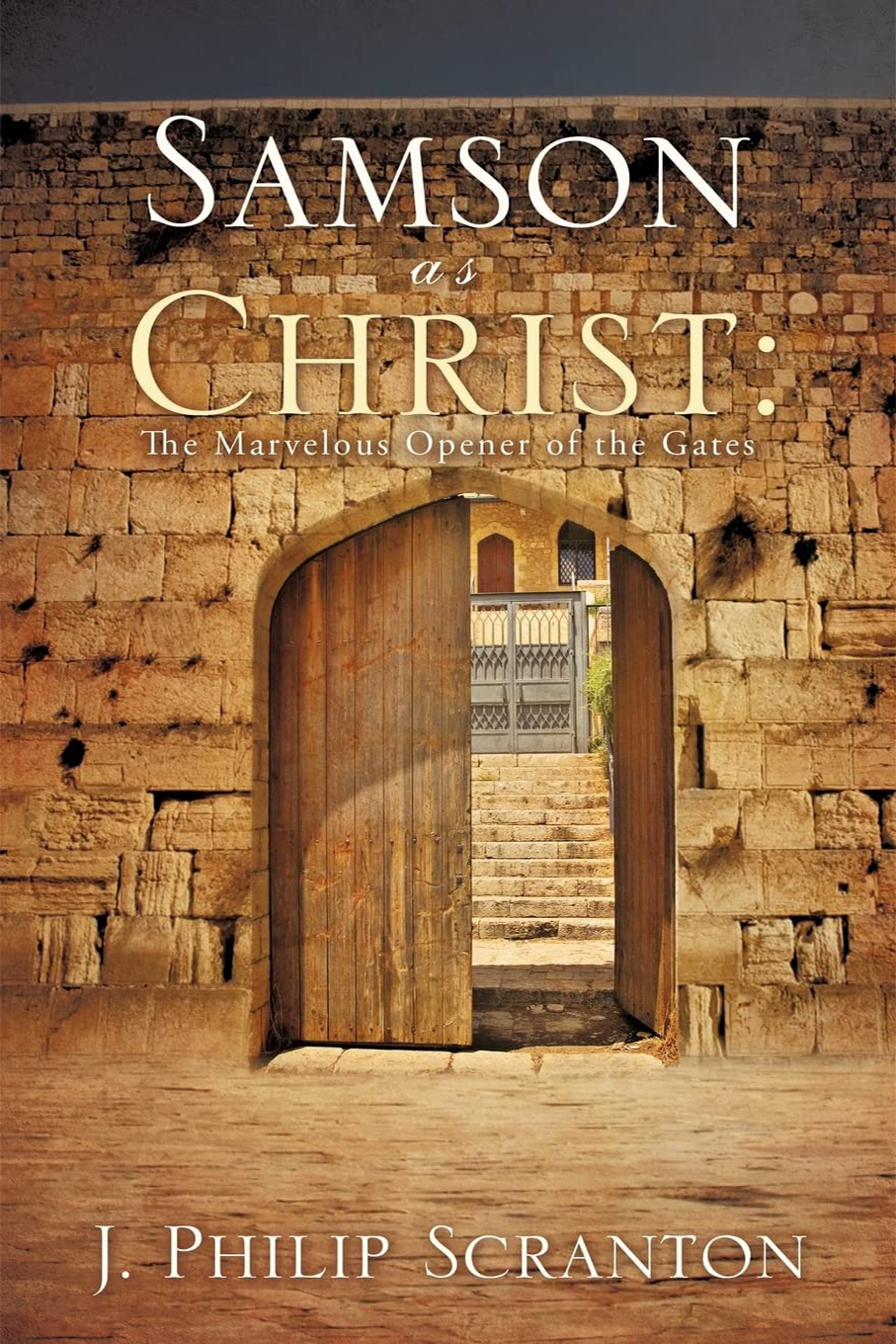
I was raised in a Christian home. My father was the pastor of a Baptist church, and a school teacher. I came to believe in Christ at an early age. Like many young believers, I was slow to realize how a living faith must grow as I grew.
In my early twenties I went through a period of searching for purpose in my life. One day while reading the last chapter of John, I came to believe that God wanted me to “Feed his sheep.” At that time I thought this meant that I was to be a pastor of a church. Little did I know….
I went to a Bible college and was called by a church to be their pastor. But in my first month I read a book entitled “The Restitution of All Things,” and my world began to turn upside down—or better—right side up. I began a year-long search of the Bible and bought or borrowed every book I could find for and against the teaching that God would save his whole creation. I even translated biblical passages from the Greek. At the end of a year I knew that the doctrinal position I had embraced was wrong. I believed the Bible was true, and still do, but I was soon to be seeking employment in other fields.
People are a lot like biennial plants. Biennials grow the first year, developing a root system and foliage to feed the roots. Then they die back in the winter. But the following spring the root system shoots up a new stem with blooms and seeds. People have two lives. The life you’re living now, and a resurrection life. Believers will shoot up with glorious blooms in the second life, but those without Christ will have their first life judged and corrected before they are blessed with immortality. So the career we have in the first life is what we do along the way. We learn good and evil, pay bills and make ends meet, and this is the development of our biennial life. Often the things outside our careers are what develop our roots.
My goal now is to help people develop their root system by sharing what I find in the Bible.